Professional event photography can turn an ordinary business gathering into a collection of valuable visual memories. Whether you are planning a corporate conference, product launch, awards ceremony, networking event, or company celebration, good preparation helps photographers capture the right moments.
Hiring a professional photographer is only one part of the process. The event organizer also needs to provide clear information, plan important moments, prepare the venue, and communicate expectations. Proper preparation gives the photographer enough direction while still allowing them to capture natural and unexpected moments.
If you are planning Event Photography, this guide explains how to prepare before, during, and after your event. These steps can help your photographer work efficiently while giving your business high-quality images for marketing, social media, websites, and internal communications.
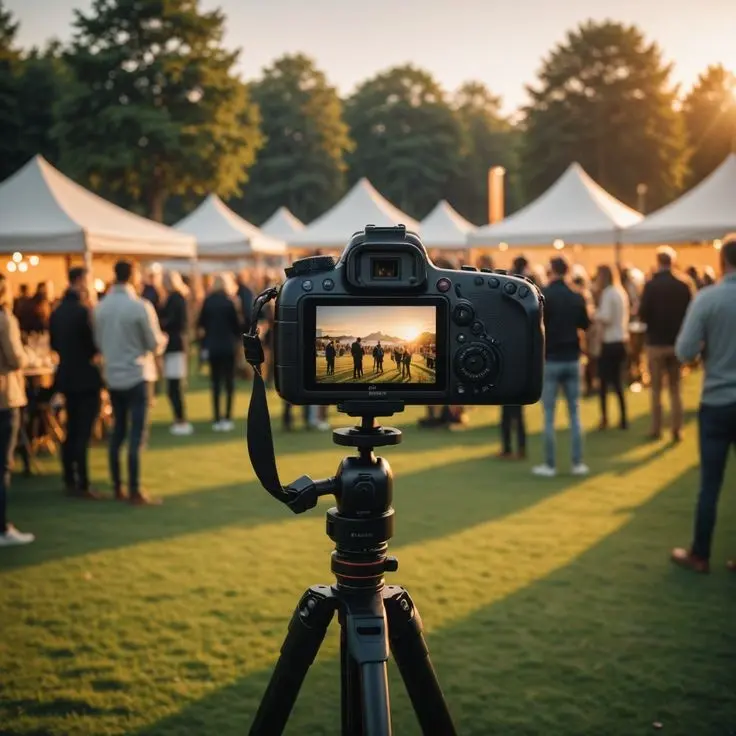
Why Preparation Matters for Event Photography
Professional photographers can adapt to changing situations, but preparation makes their job much easier. Events often move quickly, with speeches, presentations, group photos, networking sessions, and other activities happening within a short period.
Without preparation, important moments can easily be missed. A photographer may not know when a keynote speaker begins, which executives should be photographed, or when a product demonstration is scheduled.
Good preparation creates a clear understanding between the event organizer and photographer. It also helps the photographer choose the right equipment, lighting approach, shooting style, and coverage plan.
Most importantly, preparation allows the photographer to focus on creating strong images instead of trying to understand the event schedule while it is already happening.
Choose the Right Event Photographer
The first step is finding a photographer who understands your event type. Corporate events require a different approach from weddings, private parties, or lifestyle photography.
Look at the photographer’s portfolio before making a decision. Pay attention to how they capture people, speakers, groups, venue details, branding, and candid interactions.
A good event photographer should know how to work around people without constantly interrupting the event. They should also understand how to capture professional expressions while preserving natural moments.
If your event includes professional portraits or business headshots, consider working with a photography company that offers both event coverage and headshot services. HeadshotRescue can be a useful choice for businesses that want professional visual content connected to their corporate events.
Share Your Event Schedule in Advance
One of the most important preparation steps is sharing the complete event schedule with your photographer.
Provide details such as:
- Event start and finish time
- Speaker sessions
- Presentations
- Product launches
- Award ceremonies
- Networking periods
- Group photography
- VIP arrivals
- Breaks and meals
- Special announcements
This schedule gives the photographer a clear idea of when important moments will happen.
If the schedule changes on the event day, assign someone from your team to communicate those changes. A dedicated contact person can quickly inform the photographer about delays, room changes, or unexpected activities.
Create a Photography Shot List
A short list helps make sure your business receives the images it actually needs.
Start by identifying the most important people, activities, and details at the event. Include executives, speakers, sponsors, products, branding, guests, and important interactions.
Your shot list could include:
- Keynote speakers
- Executive portraits
- Guest interactions
- Audience reactions
- Product demonstrations
- Award presentations
- Group photographs
- Company branding
- Venue details
- Networking moments
- Behind-the-scenes activities
- Candid conversations
The shot list should provide direction rather than restrict the photographer. Leave room for creative and spontaneous photographs because some of the strongest event images happen unexpectedly.
Identify Important People Before the Event
If certain people must appear in the final photo collection, tell your photographer before the event.
For example, your company may want photographs of the CEO, management team, keynote speakers, clients, partners, or special guests.
Provide names and, when possible, reference photos. This makes it easier for the photographer to recognize important people in a crowded venue.
You can also tell the photographer which individuals require more coverage. This prevents important guests from being overlooked during a busy event.
Prepare the Venue for Photography
The venue can significantly affect the quality of your photographs. Before the event begins, look around the space and identify potential photography areas.
Check the lighting conditions, available backgrounds, stage position, seating arrangement, and branding locations.
If you need group photographs, make sure there is enough space for everyone to stand comfortably. Avoid placing groups directly against cluttered backgrounds.
For professional portraits, choose a clean area with suitable lighting. A simple branded background can also create useful images for company websites and social media.
Make Sure Your Branding Is Visible
Corporate photography should show more than people. It should also communicate the identity of your business.
Make sure important branding elements are visible throughout the event. These may include logos, banners, presentation screens, product displays, branded walls, signage, and promotional materials.
However, avoid placing branding everywhere simply for the sake of photographs. The goal is to create natural images where your brand appears as part of the event.
These photographs can later support website updates, social media campaigns, press releases, newsletters, recruitment content, and marketing materials.
Plan Group Photos Carefully
Group photographs can become difficult when they are treated as an afterthought.
Decide in advance which groups need photographs and when those photographs should happen. Inform the relevant people beforehand so they know where and when to gather.
For larger groups, choose a location with enough space. The photographer may need to move farther away to fit everyone into the frame.
Try to complete essential group photographs during a planned period. This prevents repeated interruptions throughout the event.
Prepare Employees and Guests
People often become uncomfortable when they know a photographer is nearby. A simple announcement can help guests understand that professional photography will take place.
Employees should know that photographs may be used for business purposes such as marketing, websites, social media, or company communications.
If your organization has specific privacy or photography policies, communicate them before the event. This helps avoid confusion and gives the photography team clear instructions.
Encourage employees to remain natural during networking sessions. Genuine conversations and interactions often produce more engaging photographs than forced poses.
Think About Lighting
Lighting is one of the biggest factors affecting event photography.
Conference rooms may have mixed lighting, dark stages, bright presentation screens, or changing colors. Outdoor events can create completely different lighting challenges.
Professional photographers usually carry equipment that helps them handle these conditions. However, organizers can still help by identifying difficult areas before the event.
If possible, give your photographer access to the venue before guests arrive. This allows them to assess lighting and determine where they can capture important moments most effectively.
Allow the Photographer to Move Around
Event photography requires movement. Photographers need different angles and positions to capture speakers, guests, products, and interactions.
Avoid placing unnecessary obstacles around important photography areas.
At the same time, the photographer should work discreetly. They should avoid blocking presentations or distracting speakers and guests.
Professional Event Photography services focus on documenting the event without becoming the center of attention.
Prepare for Candid Photography
Not every important photograph needs to be posed.
Candid photography can show genuine conversations, laughter, reactions, teamwork, and networking. These photographs often communicate the atmosphere of an event more effectively than formal images.
Tell your photographer that candid moments are important to your business. They can then pay attention to natural interactions throughout the event.
Encourage guests to behave normally rather than constantly looking toward the camera. Natural behavior usually creates more authentic photographs.
Plan for Professional Headshots
Some corporate events provide an excellent opportunity to create updated headshots for employees and executives.
If you are already bringing together your team, consider setting up a dedicated headshot area. Employees can receive updated professional portraits without scheduling a separate photography session.
A consistent background, suitable lighting, and simple posing guidelines can create a cohesive collection of business portraits.
This is particularly useful for LinkedIn profiles, company websites, speaker biographies, press materials, and professional directories.
Discuss Image Delivery Before the Event
Before hiring a photographer, discuss how and when you will receive the final images.
Ask about the expected delivery timeline, image selection, editing process, file formats, and usage rights.
Your business may need different types of images for different purposes. High-resolution files can be useful for print materials, while optimized images may work better for websites and social media.
Clear expectations prevent misunderstandings after the event.
Think About How You Will Use the Photos
Your event photography should support your wider marketing strategy.
Before the event, identify where the photographs will be used. Potential applications include:
- Company website
- Social media
- Blog articles
- Email newsletters
- Press releases
- Annual reports
- Recruitment campaigns
- Internal communications
- Marketing brochures
- Future event promotions
Knowing your intended uses can help your photographer capture a wider variety of images.
For example, landscape photographs may work well for website banners, while vertical images can be useful for social media platforms.
Communicate Clearly With Your Photographer
Good communication is one of the simplest ways to improve the final results.
Before the event, discuss your expectations, preferred photography style, important people, must-have shots, schedule, venue, branding, and image usage.
Give your photographer enough information without micromanaging every photograph.
Professional photographers bring their own creative experience. Your instructions should establish priorities while allowing them to respond naturally to what happens during the event.
Final Checklist Before the Event
A few simple checks can help you feel confident before the photographer arrives.
Make sure you have:
- Confirmed the event date and location
- Shared the complete schedule
- Provided a contact person
- Created a shot list
- Identified important guests
- Planned group photographs
- Prepared photography areas
- Checked branding
- Discussed headshots if needed
- Confirmed image delivery expectations
- Explained any privacy requirements
- Discussed final image usage
This preparation gives everyone a clear understanding of what needs to happen.
Final Thoughts
Professional event photography becomes much more effective when the event team and photographer prepare together. A clear schedule, useful shot list, suitable venue areas, organized group photographs, and good communication can make a major difference.
The goal is not to control every photograph. Instead, give the photographer enough information to understand your priorities while allowing them to capture authentic moments creatively.
Whether you are organizing a conference, product launch, awards ceremony, or company celebration, professional photography can provide valuable visual content long after the event ends. With the right preparation and professional Event Photography services, your business can build a collection of images that represents the people, atmosphere, and achievements behind your event.
FAQs
How early should I book an event photographer?
For important corporate events, booking early is recommended because professional photographers can have limited availability. The earlier you confirm the photographer, the more time you have to discuss the schedule and photography requirements.
What should I give my event photographer before the event?
Provide the event schedule, venue details, important guest information, photography priorities, shot list, branding requirements, and contact details for the person managing the event.
Should I create a shot list for corporate event photography?
Yes. A shot list helps identify essential photographs such as speakers, executives, group photos, products, branding, awards, and networking moments. It should guide the photographer without limiting their creativity.
Can event photography include professional headshots?
Yes. Corporate events can be a convenient opportunity to create updated headshots for employees, executives, speakers, and other important participants.
How can I make guests look natural in event photos?
Encourage guests to interact normally instead of constantly posing for the camera. A professional photographer can capture conversations, reactions, networking, and other authentic moments without interrupting the event.
How can businesses use professional event photographs?
Businesses can use event photographs on websites, social media, newsletters, blogs, press releases, marketing materials, recruitment campaigns, and internal communications.